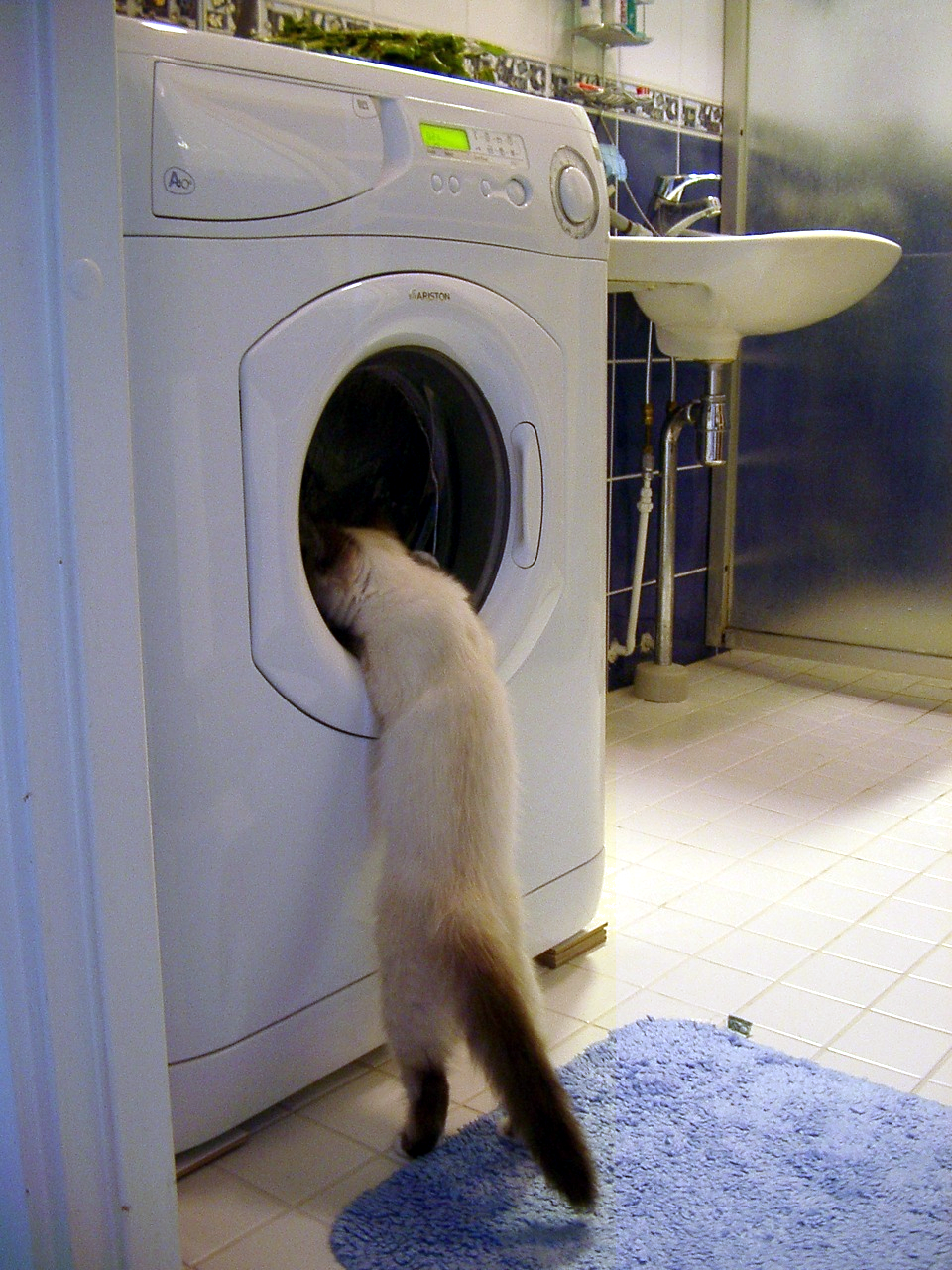
They say curiosity killed the cat. But it feeds the fundraiser.
I once had lunch with somebody who had recently moved to Portland to take over the Development Director role for a nonprofit after previously working in communications at a national nonprofit.
I knew her second-hand and she asked me to meet as she expressed a desire to learn the “Oregon lay of the land.”
So we met.
And I asked her about her background.
And we had a conversation.
And I realized as we were running out of time that she hadn’t actually asked me a single question about me, just a few general questions about some of the other conservation groups in town.
She made zero attempt to get to know me as an individual, even though I had asked her about her life and not just her work.
The conversation felt one-sided and off-putting. And it also sent up a red flag in my brain that she maybe didn’t have the right personality to be a fundraiser.
I wasn’t surprised when 9 months later she had left her role (I never learned if it was voluntary) and had taken on a communications role with a government agency.
Fundraising may be a learned skill. But at a basic level, people who’re going to engage in major gifts fundraising need to have a genuine curiosity about the people they meet and a desire to get to know them as people.
Fortunately, there are some tips you can follow to get over the hump if you have the curiosity, but feel lost when it comes to how to accomplish that when meeting with potential donors.
Here are five things to keep in mind.
First, flip your mindset. You may think: “I’m a fundraiser and my purpose is to secure donations.” Yes, of course, that’s true.
But the mindset should be: “I’m building relationships with people interested in our cause, and looking to see who’s aligned with our work, and then inviting those who are to make investments in something they care about.”
Put the relationship first, look for alignment second, and the monetary opportunity for them comes third.
Second, don’t skimp on the personal connection you’re forging as you chat. If they ask how your weekend was, don’t just say “fine.” Tell them about the hike you took, or the game you watched, or the dinner you had with friends.
Regardless of whether they initiate it, share your story. What is it about your own experience that led you to work (or volunteer) for your nonprofit?
Then ask their story. How did they get started in their career? Or their philanthropy? Or some hobby/activity that you learn about during the conversation. Your ability to ask questions and elicit responses will only increase to the extent you’re very open about your own story and activities.
Third, don’t be afraid to ask big questions that are about their motivation and not just their actions.
- “What’s the last experience you had with a nonprofit that really excited you?”
- “What are you most focused on when you’re not working?”
- “What makes you most hopeful and most fearful when thinking about the world today? “
- “How does the work of our nonprofit fit in with other causes you support or activities you participate in?”
Of course, be sensitive if their initial responses make it clear they’re not interested in having such a personal conversation.
Fourth, use a visual clue as a reminder to not talk too much. I was once trained that in a good fundraising meeting the donor does two-thirds of the talking.
So write “two-thirds” prominently on your notes and every time you glance at them it will serve as a reminder that you may need to adjust if you’re doing too much of the talking. And if the donor sees it, it will just be a cryptic note; they won’t see something saying “don’t talk too much.”
Fifth, take notes yourself. This is a tool that causes you to not immediately jump in when they pause as your note taking may still be underway. Don’t assume a pause is a stop.
Of course, even as you take notes, you need to actively listen so you can ask intelligent follow up questions and figure out how to adapt your own organizational stories to emphasize the bits that are likely to resonate most with the donor.
I’m sure there are a dozen other tools I could add if I thought about it deeply. And I’d welcome your comments if you have other techniques you apply.
The fundamental challenge for anybody seeking to find people who share your nonprofit’s mission and want to invest: how do you tap into your own power of curiosity as a tool to build relationships?
Leave a Reply